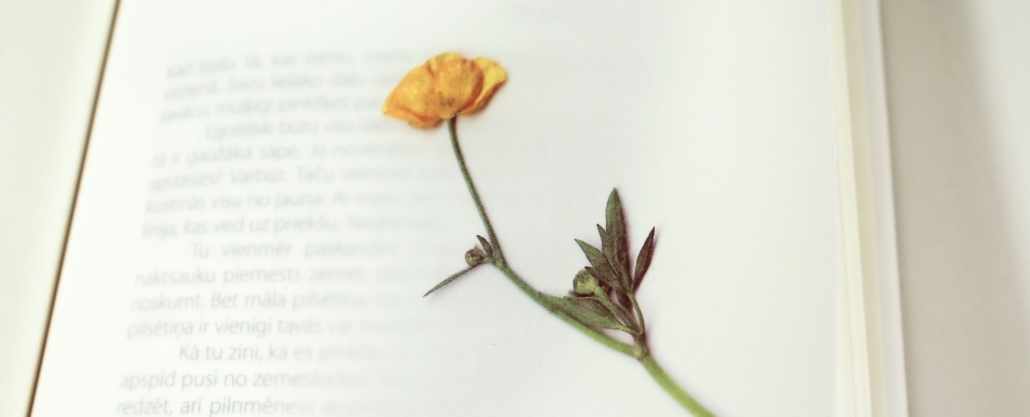
Is It Permissible to Draw or Print a Human Picture with a Flower Over the Face to Hide the Features?
Hanafi Fiqh
Answered by Shaykh Abdul-Rahim Reasat
Question
Is it permissible to print/draw pictures of a human without facial features? (e.g a picture of a person but before printing/drawing it you add a flower on the top of face to hide features)
Answer
In the name of Allah, the All-Merciful, the Ever-Merciful.
All praise belongs to Allah, Lord of all beings, and may peace and blessings be upon our master Muhammad.
I pray you are well.
Printing a photograph is permissible; however, it should not be visible, whether hung on the wall or displayed while one is praying. As for pictures, they may be printed, but the face or the head should be effaced. Covering the face entirely by obscuring it with a big flower or something is sufficient to efface the details of the face. [Ibn Abidin, Radd al-Muhtar]
Please refer to Can I Draw and Sell Stylized Human Characters with Eyes and Ears but No Nose or Mouth? for more details.
As for drawing such images, it would be best to avoid the weapon where possible. If one cannot, then follow the guidelines in the answer above by either not drawing a head or drawing the outline without any detailed features. This is because of the hadith of the Prophet (Allah bless him and give him peace), “Every image maker will be in the Hellfire. For every image he has made, a form will be created, and it will torment him in Hell.” [Muslim]
Taking precautions to protect oneself from such a punishment is the safest thing, especially since avoiding drawing any living things is quite easy.
May Allah grant you the best of both worlds.
Shaykh Abdul-Rahim Reasat
Related Answers
One. What Makes an Image “Complete” in the Hanafi School? — Shaykh Faraz Rabbani: An image is prohibited when it has a discernible head and face; one without a clear face falls outside the ruling.
Two. Can I Draw and Sell Stylized Human Characters with Eyes and Ears but No Nose or Mouth? — Shaykh Faraz Rabbani: Leaving out the nose and mouth isn’t enough; a face wiped out altogether is treated like a head cut off.
Three. What Is the Ruling of Silhouettes? — Shaykh Abdul-Rahim Reasat: Silhouettes and other images without detail are permissible, and praying near them is valid.
Shaykh Abdul-Rahim Reasat began studying Arabic Grammar and Morphology whilst studying for a degree in English and History. After graduating, he traveled to Damascus and studied Arabic, Hanafi Fiqh, Usul al-Fiqh, Theology, and Logic with Shaykh Adnan Darwish, Shaykh ‘Abd al-Rahman Arjan al-Binsawi, Shaykh Husayn Darwish, Shaykh Muhammad Darwish, the late Shaykh Rashad Shams, and others. He then moved to Amman to continue his studies in those fields, as well as in Tafsir, Quranic Sciences, Hadith Methodology and Commentary, Prophetic Biography, Prophetic Perfections and Traits, Rhetoric, Arabic Literature, and Tajwid. His teachers include Shaykh Ali Hani, Dr. Hamza al-Bakri, Dr. Salah Abu al-Hajj, Dr. Mansur Abu Zina, Shaykh Ahmad Hasanat, Shaykh Ahmad Jammal, and others.
