Did the Companions Chant Spiritual Poetry, and May a Munshid Use Maqamat?
Hanafi Fiqh
Answered by Shaykh Faraz Rabbani
Question
I have read many of your wonderful answers regarding the permissibility of inshad, yet I was wondering if the Companions or the salaf after them engaged in singing spiritual poetry. A contemporary shaykh says nashid is impermissible, and one book seems to indicate that great Companions like Umar did not approve of singing (by this I purely refer to spiritual song). I know Ibn Abidin, Nabulsi, and others allow it, but if I knew it of the noblest of people after the prophets, I would be much more at ease with the ruling, since I love inshad, especially al-Madaih al-Nabawiyya. My second question is about maqamat in inshad. I have read your fatwa on maqamat in the Quran, but what of inshad, since maybe the salaf would have viewed this as just learning music? Finally, as an aspiring munshid, is there any spiritual advice you would give?
Answer
In the Name of Allah, the Merciful and Compassionate.
I pray this finds you well.
Chanting poetry of praise and wisdom (inshad) is permissible in the Hanafi school. And, yes, our Beloved Prophet Muhammad (Allah bless him and give him peace) did recite verses himself, while his Companions (Allah be pleased with them) chanted such poetry before him and in his mosque.
Melodic modes (maqamat) may be used when the tune serves the words. What the Hanafi school forbids is song (ghina) with unlawful words or instruments, and dislikes chanting that becomes one’s consuming occupation.
Chanting in the Prophet’s Presence
Allah Most High exempts from His blame of poets “Those who believe and work righteous deeds, and remember Allah much.” [Quran 26:227; Keller, The Quran Beheld]
At the Battle of the Trench, the Prophet (Allah bless him and give him peace) carried earth until dust covered his belly, mentioning the lines, “By Allah, were it not for Allah we would not have been guided…” [Bukhari]
Sayyiduna Umar’s objections, which you read about, are reported, and each was answered. When Umar (Allah be pleased with him) passed Hassan ibn Thabit (Allah be pleased with him) reciting in the mosque, Hassan said, “I used to recite in it when one better than you was in it.” [Bukhari]
When Abd Allah ibn Rawaha (Allah be pleased with him) chanted verses before the Prophet on entering Makka, Umar said, “Ibn Rawaha, in the Sanctuary of Allah and before the Messenger of Allah, you recite this poetry?” The Prophet (Allah bless him and give him peace) answered, “Leave him, Umar.” [Ibn Khuzayma, Sahih]
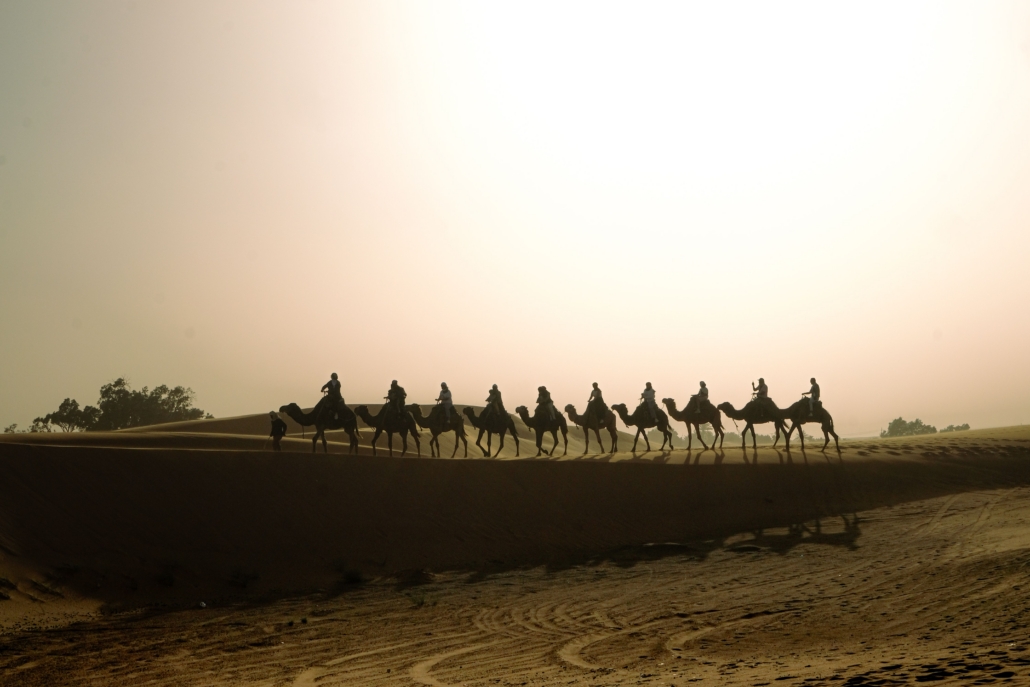
Anjasha (Allah be pleased with him) drove the women’s camels with chant (huda), and the Prophet (Allah bless him and give him peace) said only, “Gently, Anjasha, your driving of the delicate vessels.” [Bukhari]
The generations after them kept up this practice. Asked about the camel-driver’s chant, al-Hasan al-Basri (Allah have mercy on him) said, “The Muslims used to do it.” [Ibn Abi Shayba, al-Musannaf]
The Hanafi Test: Words, Instruments, Aim
The great verifier of the late Hanafi school, al-Kamal Ibn al-Humam (Allah have mercy on him), explains that “the forbidden singing is what has in its wording what is not lawful.” [Ibn Abidin, Radd al-Muhtar, quoting Ibn al-Humam, Fath al-Qadir]
Even Shaykh al-Islam, who generally held singing to be disliked, “interpreted what occurred from the Companions onto the composing of permissible poetry containing wisdom and exhortations.” [Ibid.]
So the jurists who were strictest about song still placed the Companions’ chanting among the permissible.
There are key provisos:
One. If set to instruments of play, even words of wisdom are barred because of the interdiction of the instruments themselves. [Ibid.]
Two. And poetry becomes disliked when made a constant trade “until it overcame him and kept him from the remembrance of Allah Most High and from the sacred sciences.” [Ibid.]
Maqamat Must Serve the Words
Imam Ghazali (Allah have mercy on him) states, “Whenever reciting poetry without voice and melodies is permissible, reciting it with melodies is permissible.” [Ghazali, Ihyaʾ Ulum al-Din]
What the Hanafi school is classically wary of is music as a craft or profession, even if religious. Imam Haskafi (Allah have mercy on him) counts “the science of music” among the forbidden sciences. [Haskafi, al-Durr al-Mukhtar]
Ibn Abidin defines it as knowing “how melodies are composed, and how instruments are made.” [Ibn Abidin, Radd al-Muhtar]
The concern isn’t the knowledge itself, our teachers explain, but the reality that most such knowledge will be used for sinful ends. And matters are judged by their purpose; and the general is considered as if actual.
So learn the modes by ear from a teacher, as Quran reciters do, and mindful, religious nashid singers do.
Chant for Remembrance, Not Applause
Learn the meaning of every line you chant. Keep the Quran and sacred knowledge first, and don’t make chanting a living or a stage for display. When applause starts to matter more than remembrance, step back and renew your intention.
May Allah make your voice a means of remembrance.
And Allah knows best.
Faraz Rabbani
Related Answers
One. Did the Prophet or the Companions Partake in Poetry? — Sidi Abdullah Anik Misra: More of the Prophetic and Companion evidence for good poetry, including Hassan’s pulpit.
Two. What Is the Ruling on Reciting the Quran with Scales (Maqamat)? — Shaykh Anas al-Musa: The answer you read, permitting known scales in recitation on conditions.
Three. Listening to Islamic Songs with Musical Instruments — Shaykh Faraz Rabbani: The relied-upon Hanafi position on instruments, with the duff excepted.
Four. The Hadra: Is the Group Dhikr With Singing and Swaying Permitted? — Shaykh Faraz Rabbani: The Hanafi sources on group remembrance with spiritual poetry.
Courses for Further Study
Every course here is free, each has a named teacher, and you can ask your questions to the teacher as you study.
One. The Qasida Burda of Imam Busiri — Shaykh Faraz Rabbani: The themes, meanings, and poetic structure of the best-loved poem in praise of the Prophet.
Two. Living the Quran: Ghazali’s Manners of Qur’an Recital — Shaykh Faraz Rabbani: Imam Ghazali’s inward and outward manners for reciting with the presence of heart.
Three. Quran: The Fatiha and Short Suras Explained in Depth — Shaykh Faraz Rabbani: The meanings of the suras recited most often, with reflections on living them each day.
النصوص · Source-Texts
[البخاري] «كَانَ النَّبِيُّ ﷺ يَنْقُلُ التُّرَابَ يَوْمَ الْخَنْدَقِ، حَتَّى أَغْمَرَ بَطْنَهُ، أَوِ اغْبَرَّ بَطْنُهُ، يَقُولُ: وَاللهِ لَوْلَا اللهُ مَا اهْتَدَيْنَا»
[البخاري] «مَرَّ عُمَرُ فِي الْمَسْجِدِ وَحَسَّانُ يُنْشِدُ فَقَالَ: كُنْتُ أُنْشِدُ فِيهِ وَفِيهِ مَنْ هُوَ خَيْرٌ مِنْكَ»
[ابن خزيمة، الصحيح] «فَقَالَ عُمَرُ يَا ابْنَ رَوَاحَةَ فِي حَرَمِ اللَّهِ، وَبَيْنَ يَدَيْ رَسُولِ اللَّهِ ﷺ تَقُولُ هَذَا الشِّعْرَ، فَقَالَ النَّبِيُّ ﷺ: «خَلِّ عَنْهُ يَا عُمَرُ»»
[البخاري] «وَكَانَ غُلَامٌ يَحْدُو بِهِنَّ يُقَالُ لَهُ أَنْجَشَةُ، فَقَالَ النَّبِيُّ ﷺ: رُوَيْدَكَ يَا أَنْجَشَةُ، سَوْقَكَ بِالْقَوَارِيرِ»
[ابن أبي شيبة، المصنف] «سَمِعْتُ الْحَسَنَ، وَسُئِلَ عَنِ الْحُدَاءِ قَالَ: «كَانَ الْمُسْلِمُونَ يَفْعَلُونَهُ»»
[ابن عابدين، رد المحتار] «أَنَّ التَّغَنِّيَ الْمُحَرَّمَ مَا كَانَ فِي اللَّفْظِ مَا لَا يَحِلُّ»
[المصدر نفسه] «وَذَكَرَ شَيْخُ الْإِسْلَامِ أَنَّ كُلَّ ذَلِكَ مَكْرُوهٌ عِنْدَ عُلَمَائِنَا … وَحَمَلَ مَا وَقَعَ مِنْ الصَّحَابَةِ عَلَى إنْشَاءِ الشِّعْرِ الْمُبَاحِ الَّذِي فِيهِ الْحِكَمُ وَالْمَوَاعِظُ»
[المصدر نفسه] «نَعَمْ إذَا قِيلَ ذَلِكَ عَلَى الْمَلَاهِي امْتَنَعَ وَإِنْ كَانَ مَوَاعِظَ وَحِكَمًا لِلْآلَاتِ نَفْسِهَا لَا لِذَلِكَ التَّغَنِّي»
[المصدر نفسه] «أَنَّ الْمَكْرُوهَ مِنْهُ مَا دَاوَمَ عَلَيْهِ وَجَعَلَهُ صِنَاعَةً لَهُ حَتَّى غَلَبَ عَلَيْهِ وَأَشْغَلَهُ عَنْ ذِكْرِ اللَّهِ تَعَالَى وَعَنْ الْعُلُومِ الشَّرْعِيَّةِ»
[الغزالي، إحياء علوم الدين] «ومهما جاز إنشاد الشعر بغير صوت وألحان جاز إنشاده مع الألحان»
[الحصكفي، الدر المختار] «وحراما، وهو علم الفلسفة والشعبذة، والتنجيم … وعلم الموسيقى»
[ابن عابدين، رد المحتار] «وَهُوَ عِلْمٌ رِيَاضِيٌّ يُعْرَفُ مِنْهُ أَحْوَالُ النَّغَمِ وَالْإِيقَاعَاتِ، وَكَيْفِيَّةُ تَأْلِيفِ اللُّحُونِ، وَإِيجَادُ الْآلَاتِ»
Shaykh Faraz Rabbani is a recognized specialist scholar in the Islamic sciences, having studied under leading scholars from around the world. He is the Founder and Executive Director of SeekersGuidance.Shaykh Faraz stands as a distinguished figure in Islamic scholarship. His journey in seeking knowledge is marked by dedication and depth. He spent ten years studying under some of the most revered scholars of our times. His initial studies took place in Damascus. He then continued in Amman, Jordan. In Damascus, he was privileged to learn from the late Shaykh Adib al-Kallas. Shaykh Adib al-Kallas was renowned as the foremost theologian of his time. Shaykh Faraz also studied under Shaykh Hassan al-Hindi in Damascus. Shaykh Hassan is recognized as one of the leading Hanafi jurists of our era. Upon completing his studies, Shaykh Faraz returned to Canada in 2007. His return marked a new chapter in his service to the community. He founded SeekersGuidance. The organization reflects his commitment to spreading Islamic knowledge. It aims to be reliable, relevant, inspiring, and accessible. This mission addresses both online and on-the-ground needs. Shaykh Faraz is also an accomplished author. His notable work includes “Absolute Essentials of Islam: Faith, Prayer, and the Path of Salvation According to the Hanafi School.” This book, published by White Thread Press in 2004, is a significant contribution to Islamic literature. His influence extends beyond his immediate community. Since 2011, Shaykh Faraz has been recognized as one of the 500 most influential Muslims. This recognition comes from the Royal Islamic Strategic Studies Center. It underscores his impact on the global Islamic discourse. Shaykh Faraz Rabbani’s life and work embody a profound commitment to Islamic scholarship. His teachings continue to enlighten and guide seekers of knowledge worldwide.
