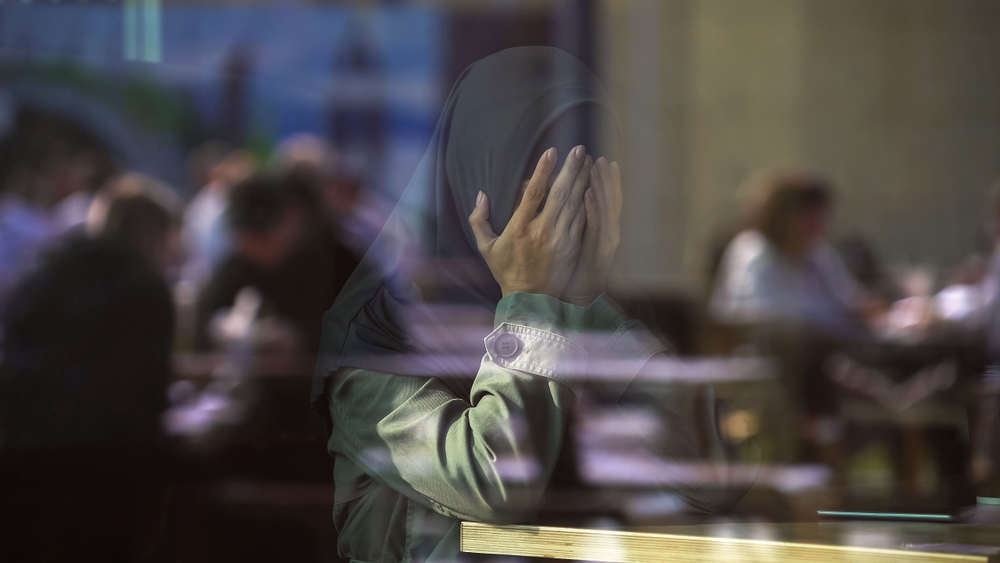
Did My Sister Die a Muslim After Weeks in a Coma?
Hanafi Fiqh
Answered by Shaykh Faraz Rabbani
Question
My sister spent her last days on her adhkar and repeating the shahada, then fell into a coma for over two weeks before she passed away. Will she be considered the same as someone who died having declared the shahada?
Answer
In the Name of Allah, the Most Merciful and Compassionate.
Your sister died as a believer, with the words of faith on her tongue. Be at peace about her. May Allah have mercy on her, illuminate her grave, comfort your heart, and unite you with her in His mercy.
Her ending had the very shape the Prophet (Allah bless him and give him peace) taught us to hope for. He said, “Whoever’s last words are: there is no god but Allah, enters Paradise.” [Abu Dawud]
He instructed us to help a dying person reach those words: “Prompt your dying to say: there is no god but Allah” [Muslim]. And he taught a supplication for bedtime that closes, “and make them the last of your speech, for if you die that night, you die upon the primordial faith.” [Muslim]
Your sister’s last conscious speech was her remembrance of Allah and the testimony of faith. She arrived at all those points.
Faith is Affirmed
Nothing that came after touched it. Our jurists put the rule plainly: “A man does not leave faith except by denying that which brought him into it, and what is certainly apostasy is ruled to be so, while what is doubtfully apostasy is not ruled to be so, since Islam once established is not removed by doubt.” [Ibn Abidin, Radd al-Muhtar]
A coma denies nothing. It is not a change of heart; it is a body giving out while the heart stays alive. Those two weeks were not empty.
The Prophet (Allah bless him and give him peace) taught us that every pain or hardship a believer faces is a means for Allah to forgive their sins. Every day of her coma was a mercy for her in her favor.
So turn now to what still reaches her, because death did not close the whole account. He said, “Now, focus on what can still benefit her. Death does not end all opportunities for good.
The Messenger of Allah (Allah bless him and give him peace) told us that ongoing charity, beneficial knowledge, and the prayers of a righteous child continue to reach the deceased.
Muslim devotes a chapter of his Sahih to the reward of charity on behalf of the deceased reaching him, and the scholars of all four schools hold that a voluntary good deed may be offered on a deceased person’s behalf.
See that her debts are paid and any bequest carried out. And recite as much of the Quran as you can, and make the reward over to her.
Her Last Words Were the Words of Faith
Remember: once faith is established, it is not undone by what happens to the body. Allah judges by what a person was upon, not by what illness may have taken away at the end. Do not worry about those final weeks.
Focus on what benefits her now. Your sister spent her last conscious moments remembering Allah and declaring the testimony of faith. Few are granted such a blessed ending. Your concern for her is a mercy, and she continues to benefit from your prayers and good deeds.
And Allah knows best.
Faraz Rabbani
Related SeekersGuidance answers
Last Words of the Dying — Why we are encouraged to end life with the testimony of faith, how that sits with the Prophet’s own last words, “the Highest Company,” and the story of Imam Abu Zur’a al-Razi, who died mid-sentence while narrating that very hadith.
How Should a Muslim Deal with Chronic Illness? — Long illness met with patience expiates sins, raises a person’s rank, and continues to earn them the reward of the deeds they used to do in health. Useful for a family grieving the weeks that looked like nothing.
Donating Reward to the Dead: A Detailed Answer — Sets out what may be offered on a deceased person’s behalf and on whose authority, from the consensus on charity through to the position of all four schools on reciting the Quran for the dead.
How Do We Deal With the Death of a Loved One? — The inward and outward duties together: patience and submission, then the estate settled after debts, supplication, and the Quran recited and made over, with Imam al-Haddad’s chapter on how the living may help the dead.
Shaykh Faraz Rabbani is a recognized specialist scholar in the Islamic sciences, having studied under leading scholars from around the world. He is the Founder and Executive Director of SeekersGuidance.
Shaykh Faraz stands as a distinguished figure in Islamic scholarship. His journey in seeking knowledge is marked by dedication and depth. He spent ten years studying under some of the most revered scholars of our times. His initial studies took place in Damascus. He then continued in Amman, Jordan.
In Damascus, he was privileged to learn from the late Shaykh Adib al-Kallas. Shaykh Adib al-Kallas was renowned as the foremost theologian of his time. Shaykh Faraz also studied under Shaykh Hassan al-Hindi in Damascus. Shaykh Hassan is recognized as one of the leading Hanafi jurists of our era.
Upon completing his studies, Shaykh Faraz returned to Canada in 2007. His return marked a new chapter in his service to the community. He founded SeekersGuidance. The organization reflects his commitment to spreading Islamic knowledge. It aims to be reliable, relevant, inspiring, and accessible. This mission addresses both online and on-the-ground needs.
Shaykh Faraz is also an accomplished author. His notable work includes “Absolute Essentials of Islam: Faith, Prayer, and the Path of Salvation According to the Hanafi School.” This book, published by White Thread Press in 2004, is a significant contribution to Islamic literature.
His influence extends beyond his immediate community. Since 2011, Shaykh Faraz has been recognized as one of the 500 most influential Muslims. This recognition comes from the Royal Islamic Strategic Studies Center. It underscores his impact on the global Islamic discourse.
Shaykh Faraz Rabbani’s life and work embody a profound commitment to Islamic scholarship. His teachings continue to enlighten and guide seekers of knowledge worldwide.
«النصوص» · Source-Texts
[أبو داود — كتاب الجنائز، باب في التلقين، رقم ٣١١٦]
عن معاذ بن جبل قال قال رسول الله صلى الله عليه وسلم من كان آخر كلامه لا إله إلا الله دخل الجنة
[مسلم]
لقنوا موتاكم لا إله إلا الله
[مسلم — عن البراء بن عازب رضي الله عنه]
آمنت بكتابك الذي أنزلت، وبنبيك الذي أرسلت. واجعلهن من آخر كلامك، فإنك إن مت من ليلتك، مت وأنت على الفطرة
[ابن عابدين، رد المحتار — كتاب الجهاد، باب المرتد، مطلب ما يشك أنه ردة لا يحكم بها]
وفي جامع الفصولين روى الطحاوي من أصحابنا لا يخرج الرجل من الإيمان إلا جحود ما أدخله فيه ثم ما تيقن أنه ردة يحكم بها وما يشك أنه ردة لا يحكم بها إذ الإسلام الثابت لا يزول بالشك
[البخاري ومسلم]
ما يصيب المسلم من نصب ولا وصب ولا هم ولا حزن ولا أذى ولا غم حتى الشوكة يشاكها إلا كفر الله بها من خطاياه
[مسلم]
إذا مات الإنسان انقطع عمله إلا من ثلاث: صدقة جارية أو علم ينتفع به أو ولد صالح يدعو له
